Successfully integrating a Japanese piece into your interior requires reconciling the poetry of age-old materials with the technical requirements of our contemporary homes.
Selecting Materials According to the Ambience
Light wood and washi paper radically transform your spatial perception. These organic textures filter light with incomparable softness. This is the essence of Wabi-sabi: natural imperfection brings immediate warmth.
Conversely, bamboo or rattan display a more raw character. Their woven fibres cast graphic shadows on your walls. The visual result becomes more dynamic and textured.
Durability remains a major argument. Solid wood defies the years much better than plastic.
The sensory aspect matters enormously. Touching these fibrous materials re-establishes a direct link with nature.
Adapting the Diameter to the Room Volume
Measuring your floor area precisely remains the initial step. An imposing chandelier risks overwhelming a small volume. However, a reduced model will sadly fade away in a large living room.
Calculating the pendant light height is equally crucial. Keep the bottom of the shade two metres from the floor. This will preserve smooth circulation and an unobstructed view.
Anticipate the specific bulk of passage areas. Choose flat shapes to never hit doors.
Visual balance requires a certain breathing space. Your light fixture must exist without saturating your interior décor.
Checking Compatibility with LED Technology
Analysing the bulb holders is essential before finalising your basket. The majority of our models accept the E27 standard. LEDs protect delicate paper as they emit no heat.
Always choose a warm colour temperature. Aim for 2700 Kelvin to recapture the intimate glow of candles. A cool white light would instantly ruin the zen harmony you seek.
Scrupulously check the maximum permitted wattage. Respect the limits of the support to guarantee your electrical safety.
LED technology ensures exceptional longevity. It’s a profitable and durable investment for your home.
Technical Specifications for a Successful Installation
Once the model is chosen, you need to ensure the light diffuses correctly while simplifying the electrical mounting.
Mastering the Diffusion of Light
Distinguishing direct lighting from subdued light changes everything. Open pendant lights brightly illuminate a table. Enclosed paper models diffuse a soft, even glow.
Adjusting the intensity according to the function of the space is clever. Use a dimmer to switch from reading mode to a cosy ambience. It’s the key to modern comfort.
Optimising visual comfort avoids glare. Place the bulb so that it remains invisible under the protective shade.
The light should be enveloping. A good Japanese light fixture transforms a cold room into a protective and warm cocoon.
Facilitating the Installation of the Support
Checking the ceiling fixing systems is the basis. Some models require a robust hook. Others screw directly onto the electrical junction box. Ensure your support can bear the weight, even if the paper is light.
Planning for standard electrical connections simplifies the work. Most products on Lightingconcepts.ie comply with European standards. A simple screwdriver is often enough to connect the wires.
Examine the cable modularity. Being able to adjust the length allows you to set the height precisely.
The installation must remain clean. Hide unnecessary wires in the ceiling canopy for an impeccable finish.
Solutions Adapted to Your Design Needs
Beyond technique, the integration of these luminous art objects depends on the destination room and daily use.
Arranging a Living Room Conducive to Relaxation
Positioning a central pendant light creates a strong focal point. This catches the eye as soon as you enter the room. It’s the element that defines the entire style of your interior décor.
Pairing wall lights helps structure the walls. They complement the main lighting without overwhelming it. The mix of light sources adds depth to your living room.
Creating shadow zones reinforces the zen aspect. The contrast between shadow and light is fundamental in classic Japanese aesthetics.
The living room becomes a sanctuary. Good lighting encourages calm conversations and relaxation after work.
Promoting Rest in the Night-time Space
Selecting models with clean lines is essential for the bedroom. Paper spheres or wooden cubes soothe the eyes. Avoid overly complex designs that could distract the mind before sleep. Simplicity remains your best ally.
Installing light sources at eye level allows comfortable reading without tiring your eyes unnecessarily.
Choose neutral tones like beige or off-white. These colours calm the nervous system.
The night-time space requires softness. A Japanese light fixture transforms your bedroom into a true bubble of serenity.


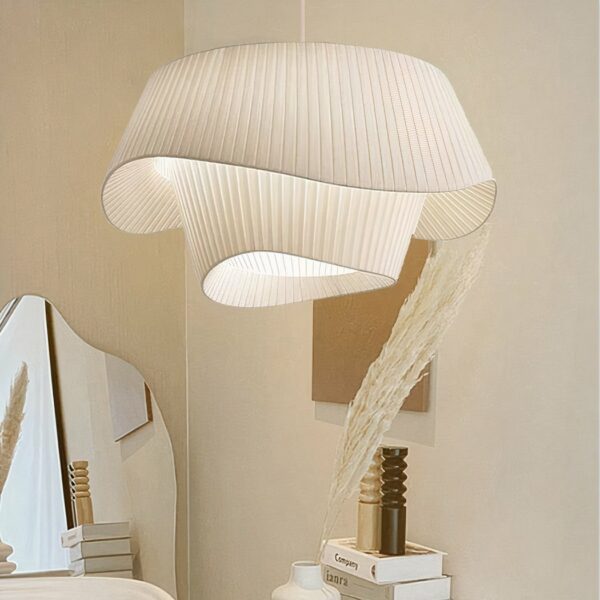


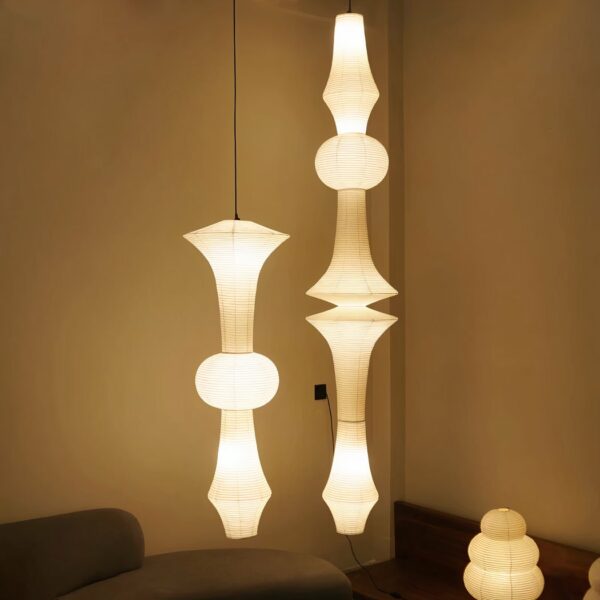 Price range: 288,70€ through 356,90€ Add to cart - 288,70€ This product has multiple variants. The options may be chosen on the product page
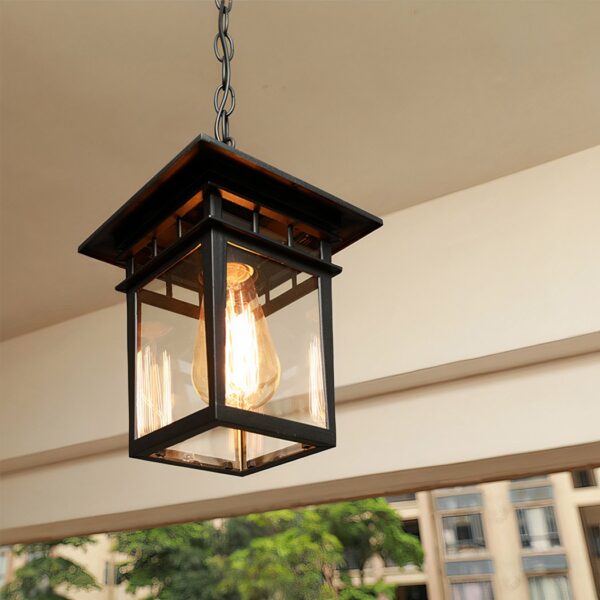

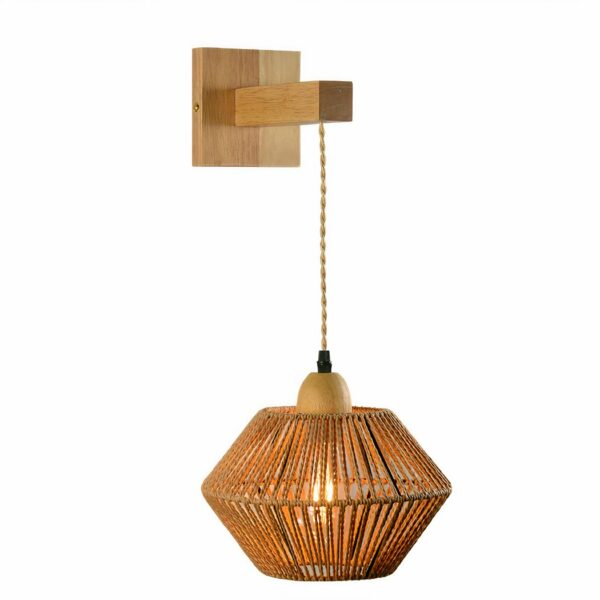


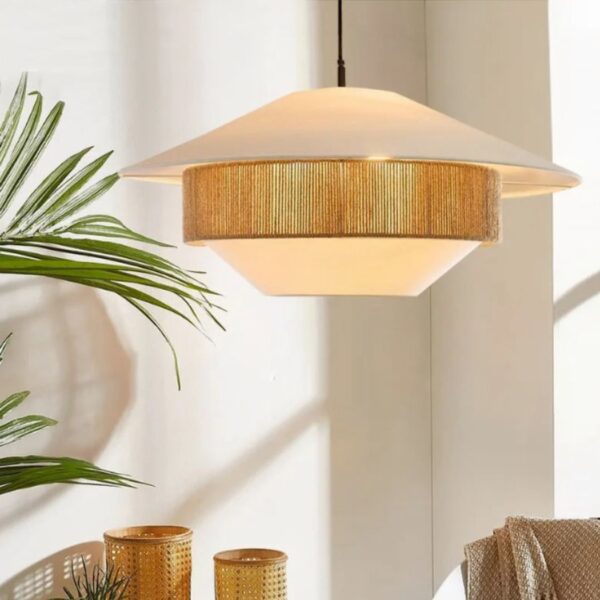 Price range: 293,90€ through 419,90€ Add to cart - 293,90€ This product has multiple variants. The options may be chosen on the product page
 Price range: 171,10€ through 204,70€ Add to cart - 171,10€ This product has multiple variants. The options may be chosen on the product page
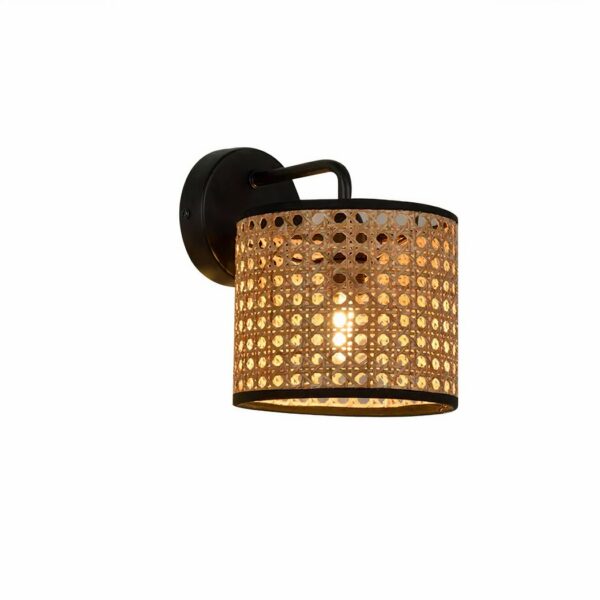
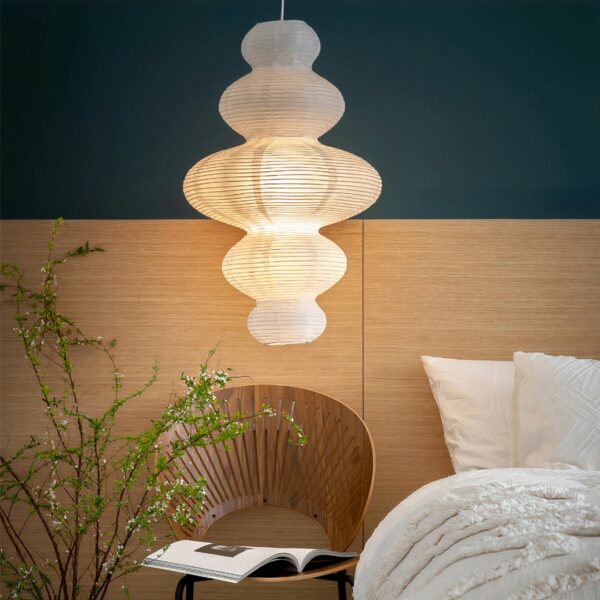
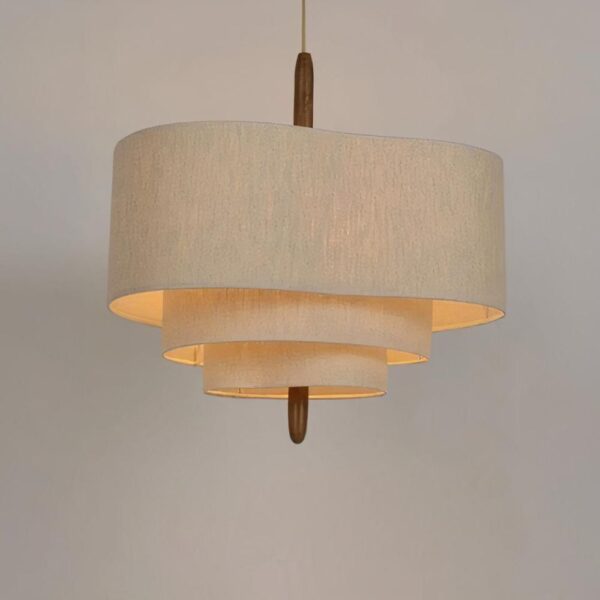 Price range: 319,90€ through 699,90€ Add to cart - 319,90€ This product has multiple variants. The options may be chosen on the product page
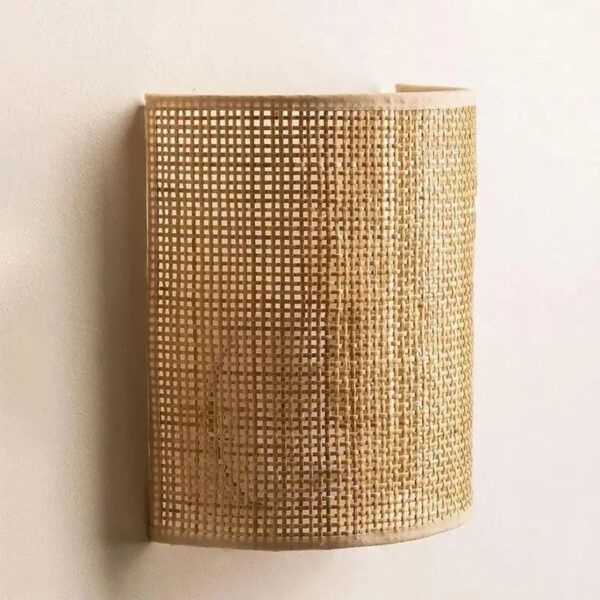
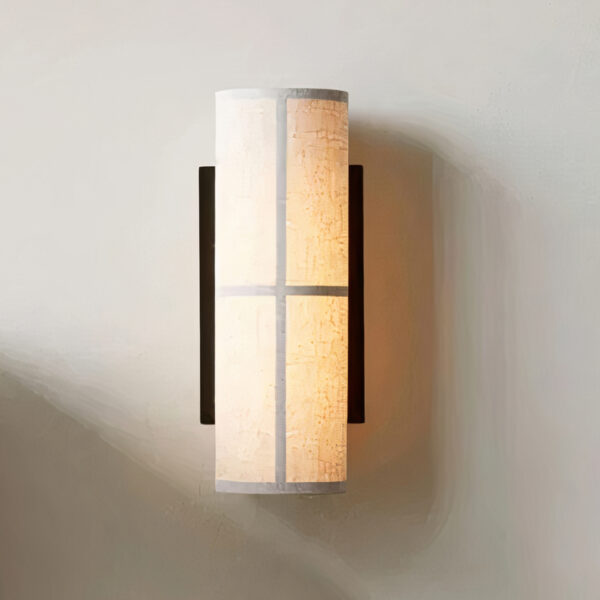 287,90€ Add to cart - 287,90€ This product has multiple variants. The options may be chosen on the product page
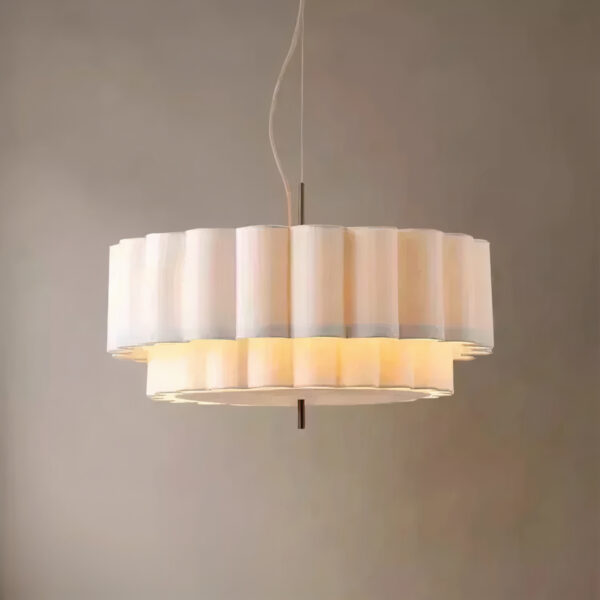
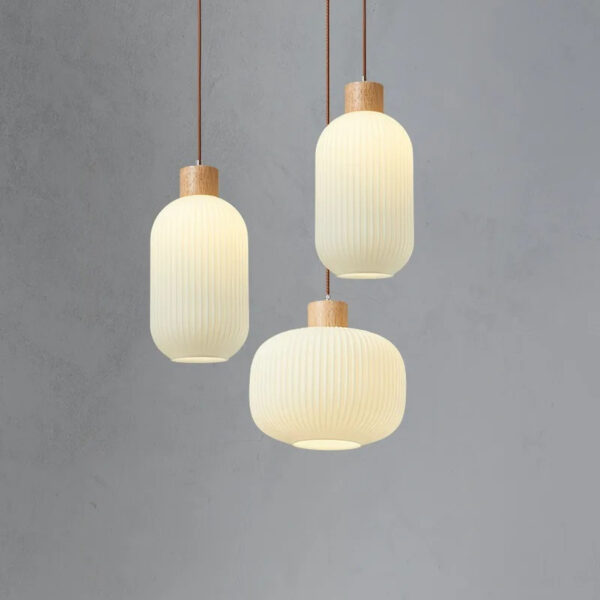 Price range: 118,90€ through 219,90€ Add to cart - 118,90€ This product has multiple variants. The options may be chosen on the product page
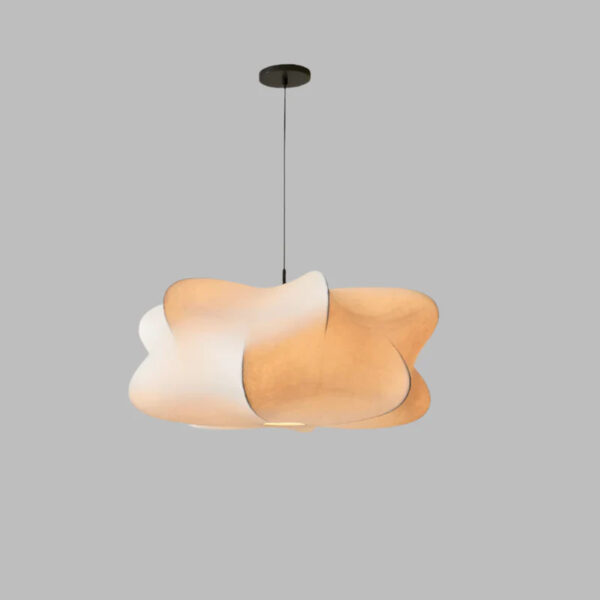 Price range: 236,90€ through 395,90€ Add to cart - 236,90€ This product has multiple variants. The options may be chosen on the product page
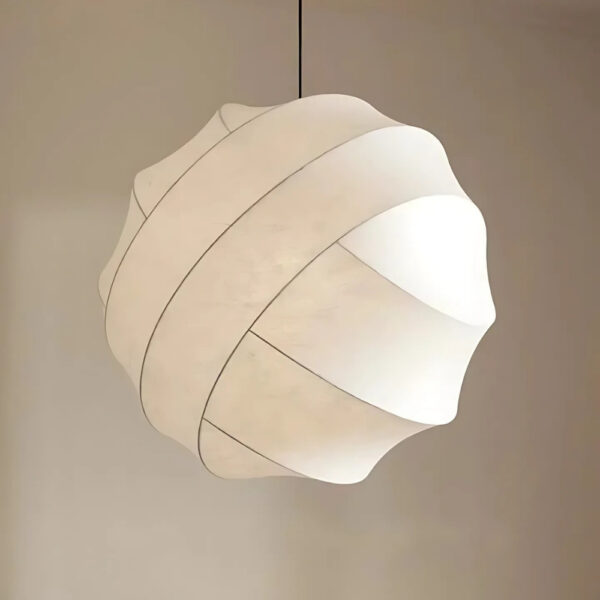 Price range: 269,90€ through 559,90€ Add to cart - 269,90€ This product has multiple variants. The options may be chosen on the product page


