
Showing 1–27 of 572 resultsSorted by popularity
-
-
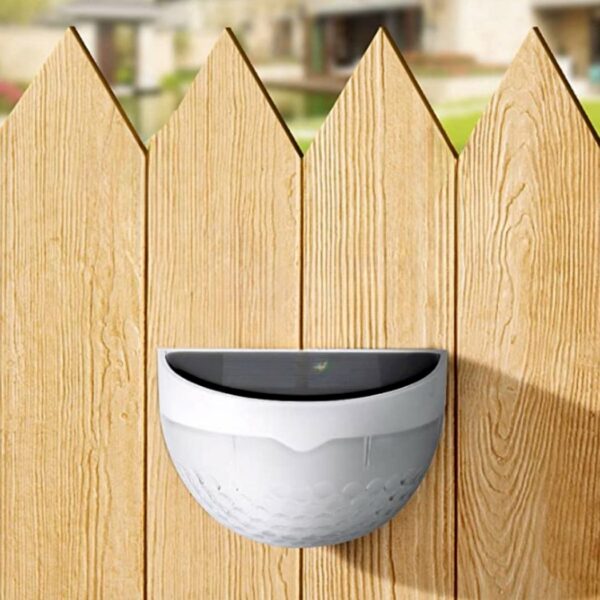
Price range: 179,90€ through 559,90€Add to cart - 179,90€ This product has multiple variants. The options may be chosen on the product pageDelivery within 4 working days
-
-
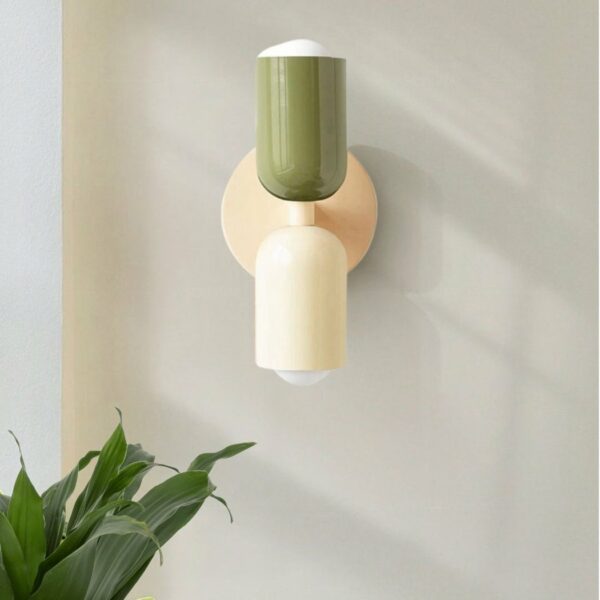
 66,90€ Add to cart - 66,90€ This product has multiple variants. The options may be chosen on the product page
-
 125,90€ Add to cart - 125,90€ This product has multiple variants. The options may be chosen on the product page
✨ Featured
Light up your space
Timeless lighting for every room
Discover designer lighting to bring warmth, style and atmosphere to your home.
-
 62,90€ Add to cart - 62,90€ This product has multiple variants. The options may be chosen on the product page
-
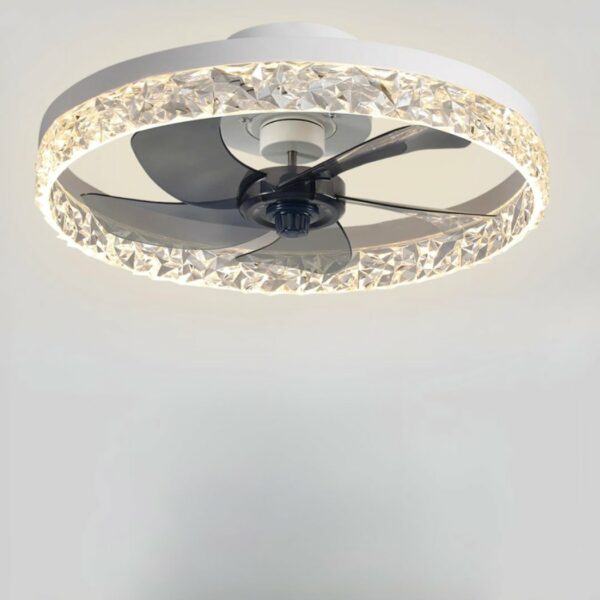 130,90€ Add to cart - 130,90€ This product has multiple variants. The options may be chosen on the product page
-
 199,90€ Add to cart - 199,90€ This product has multiple variants. The options may be chosen on the product page
-
Original price was: 89,90€.69,90€Current price is: 69,90€.Add to cart - 69,90€Delivery within 4 working days
-
Price range: 47,90€ through 74,90€ Add to cart - 47,90€ This product has multiple variants. The options may be chosen on the product page
-
 479,90€ Add to cart - 479,90€ This product has multiple variants. The options may be chosen on the product page

Inspiration
Lighting for every mood
Create warm, welcoming spaces
with timeless lighting designed for every interior.
-
 134,90€ Add to cart - 134,90€ This product has multiple variants. The options may be chosen on the product page
-
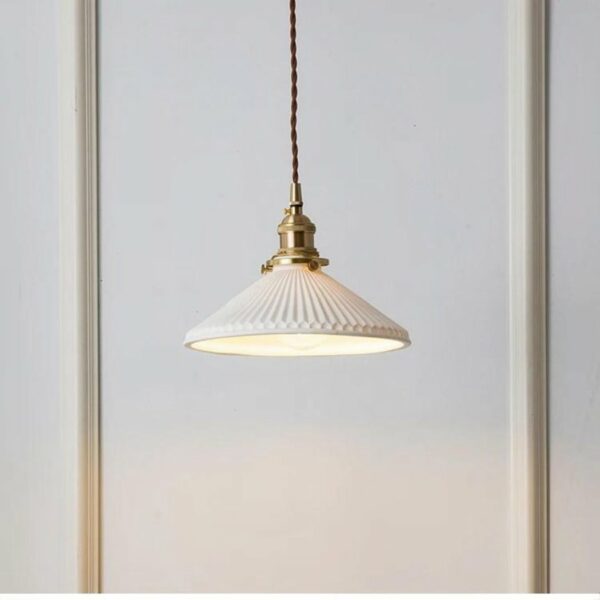 145,90€ Add to cart - 145,90€ This product has multiple variants. The options may be chosen on the product page
-
 47,90€ Add to cart - 47,90€ This product has multiple variants. The options may be chosen on the product page
-
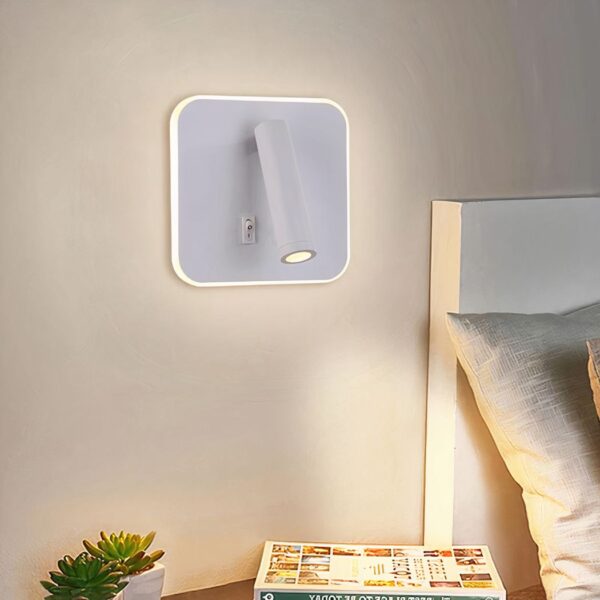 72,90€ Add to cart - 72,90€ This product has multiple variants. The options may be chosen on the product page
-
 116,90€ Add to cart - 116,90€ This product has multiple variants. The options may be chosen on the product page
-
 99,90€ Add to cart - 99,90€ This product has multiple variants. The options may be chosen on the product page
-
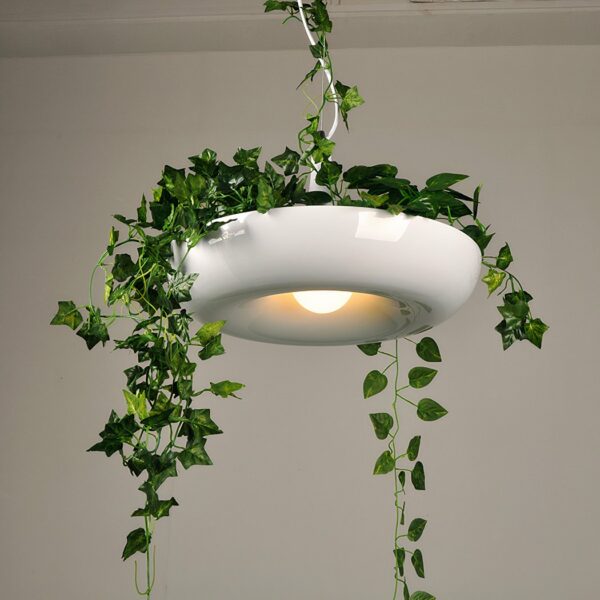 167,90€ Add to cart - 167,90€ This product has multiple variants. The options may be chosen on the product page
-

-

-
 Price range: 599,90€ through 809,90€ Add to cart - 599,90€ This product has multiple variants. The options may be chosen on the product page
-

-

-

-
 Price range: 249,90€ through 399,90€ Add to cart - 249,90€ This product has multiple variants. The options may be chosen on the product page
-

Collection
Discover our favourites
Explore carefully
selected lighting pieces to brighten every corner of your home.


