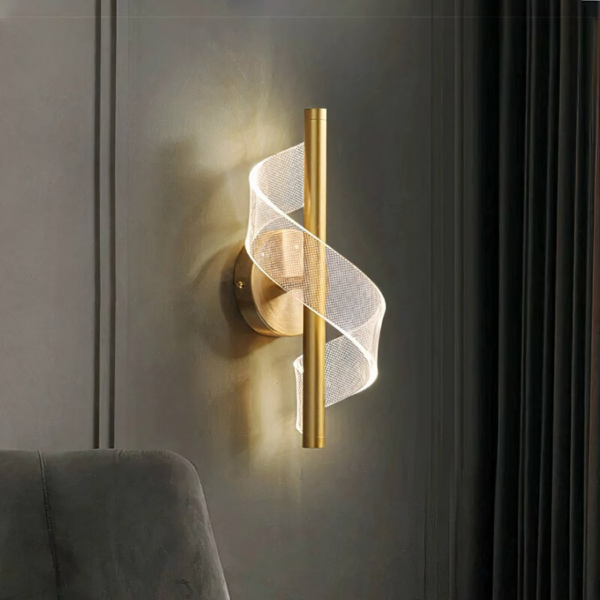
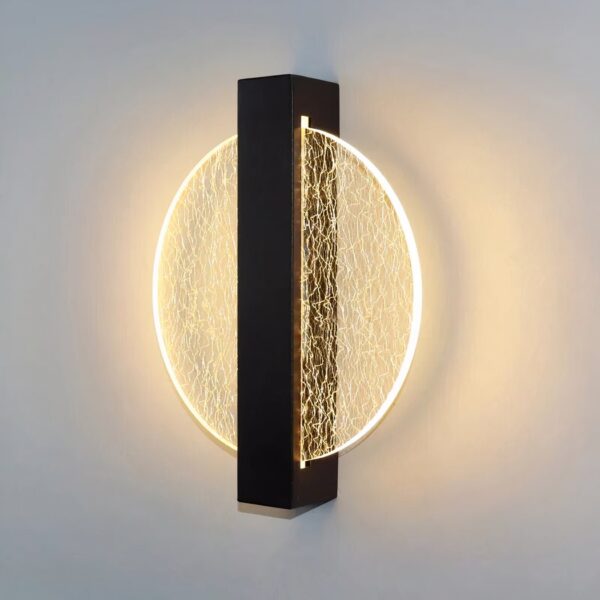
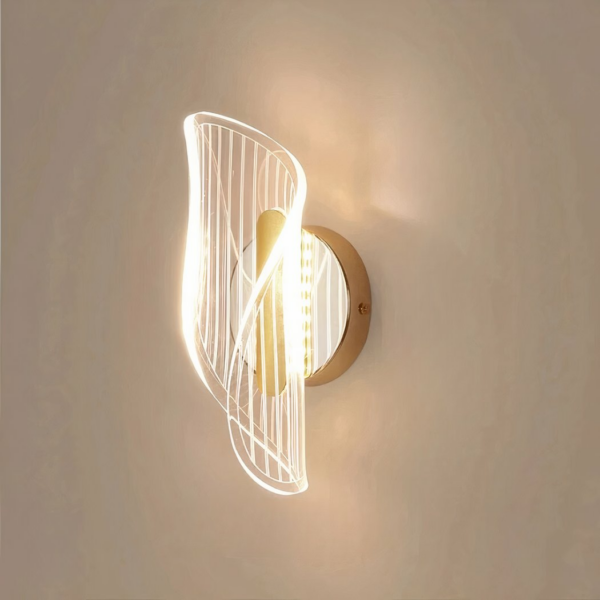
After mentioning the appeal of this modern material, let’s see concretely how to make the right choice for your interior.
Evaluating the Quality of Light Diffusion
A high-quality acrylic light offers remarkable crystal-clear transparency. Your visual comfort depends directly on this clarity. We recommend choosing materials guaranteeing optimal light transmission.
Using pure polymer eliminates unwanted shadow zones. It diffuses light homogeneously throughout the room. It is the ideal solution for main lighting. Systematically check the visual purity of the diffuser.
Finishes greatly influence the atmosphere. Shiny vividly reflects the glow of LED bulbs. Matt softens contours for more softness. Choose according to the ambience, dynamic or restful, that you are aiming for.
Checking the Polymer’s Resistance
Technical acrylic surpasses classic glass in its robustness against impacts. It does not shatter into dangerous shards like glass. It is a major asset for families. The safety of your home environment is thus reinforced.
For maintenance, ban aggressive chemical products. Use only a clean, soft microfibre cloth. Regular and gentle cleaning preserves the brilliance of your light durably. Avoid any abrasive rubbing on the surface.
This thermoplastic material has excellent longevity. It resists yellowing over time. It retains its initial transparency despite the years. It is a reliable investment for your interior decoration in the long term.
Selecting Dimensions Adapted to the Volume
The size of your pendant light must remain proportional to your furniture. A too-wide diameter visually stifles the available space. Maintain a coherent aesthetic balance with the table or surrounding furniture.
Adjust the cable height to free the view. Your light should never hinder fluid circulation. Judicious placement favours a clear perspective. Test several height configurations before final fixing.
Size directly impacts the perception of volume. An imposing model effectively structures a large living space. A small wall light is enough to light a corridor. Adapt the dimension to the function of each area.
3 Styles of Diffusers to Enhance Your Decoration
With the technical choice made, let’s now focus on the purely aesthetic aspect of these versatile diffusers.
The Aesthetic of Transparent Models
We value lightness above all. These colourless structures seem to float in the air. They do not visually clutter your room. It is a perfect solution for small apartments where light circulates freely without any obstacle.
Pair these pieces with light wood. The Scandinavian style loves this total transparency. The airy effect reinforces a feeling of immediate calm. You will appreciate this sobriety which highlights the elegance of your clean furniture.
Observe the play of reflections. Transparency captures the sun’s rays. During the day, the light remains discreet. In the evening, it becomes a pure and elegant point of light for your interior.
The Charm of Coloured Finishes
Tinted acrylic channels the light flow with precision. It creates effective directional lighting. It is ideal for highlighting a specific object. We recommend this option to structure your living spaces.
Coordinate the diffuser with your textiles. Echo the colour on your cushions. This creates a strong visual unity. Curtains can also follow this chromatic line. The general harmony of the room is thereby enhanced.
A bright colour brings character. A dark shade offers a luxurious look. Dare to create contrasts to energise your usual interior decoration. Express your personality through these vibrant nuances.
The Frosted Look for Soft Light
The sandblasted finish effectively masks the bulb. You no longer see the direct filament. This avoids any risk of unpleasant glare in daily life. Your visual comfort is thus preserved during your activities.
The material’s diffraction softens shadows. The light becomes enveloping and warm. It is the ideal choice for a cosy living room. Enjoy a relaxing atmosphere as soon as night falls in your home.
Frosted acrylic perfectly imitates frosted glass. It brings a touch of tactile softness. It is a timeless classic for all rooms. This velvety finish guarantees a uniform diffusion of brightness.
Optimising Lighting with Integrated LED Technology
But aesthetics are not everything, as lighting efficiency depends above all on the built-in technology.
Choosing the Colour Temperature
Check if your LED module is “dimmable”. This allows you to modulate the intensity according to the time of day. It is an indispensable comfort for changing the ambience. Not all models offer this technical option.
For relaxation, aim for warm white. This recalls the glow of traditional candles. Rest then becomes much more natural.
A poor colour temperature denatures colours. Choose a high CRI for more realism. Your furniture will thus keep its original appearance.
Analysing the Light Output
Count about three hundred lumens per square metre. Adapt this figure according to the room’s use. A kitchen requires more power.
Separate direct needs from indirect needs. A work surface requires a targeted flow. The ceiling can be satisfied with a diffuse halo. Multiply the sources for total visual comfort.
LEDs consume very little electricity. Their lifespan is exceptional. It is an economical solution, using less energy than an incandescent bulb.
Adapting Your Wall Lights and Pendants to Every Space
Finally, let’s see how to strategically place your lights in different areas of the house.
Creating an Atmosphere in Bedrooms
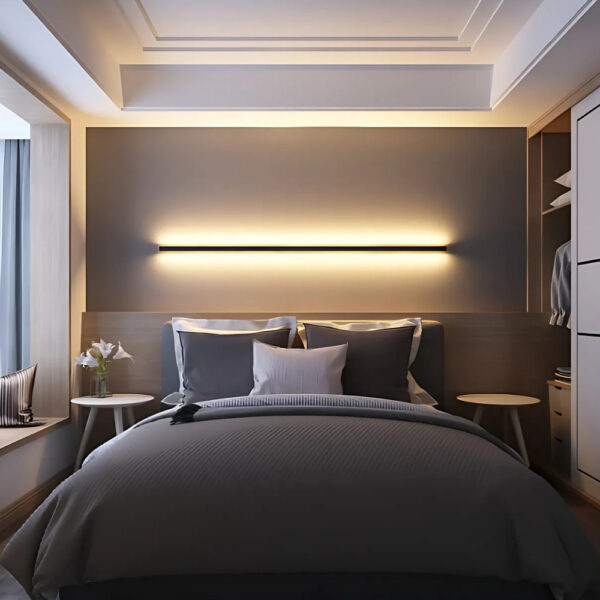
Installing soft wall lights transforms your rest. Place them at eye level for comfortable reading. The light should remain soft for the evening. This promotes fast and peaceful falling asleep.
Multiply strategic light points. Install lamps near bedheads. Free up space on your small tables. Wall models are perfect for this.
Maintain an overall visual balance. The bedroom must remain a calm sanctuary. Do not overload the ceiling with lights. Favour several sources of low intensity.
Guaranteeing Functional Brightness
Choose ceiling lights for narrow entrances. A compact model avoids hitting heads. It diffuses immediate brightness upon arrival. The space then seems more welcoming.
Install a reassuring light pathway. Light up passage areas without glare. Use wall lights with a downward-directed flow. This guides steps during the night.
Appreciate the simplicity of daily maintenance. In corridors, acrylic cleans quickly. A quick dusting is enough. It is practical for these high-traffic areas.
Our acrylic lighting in detail
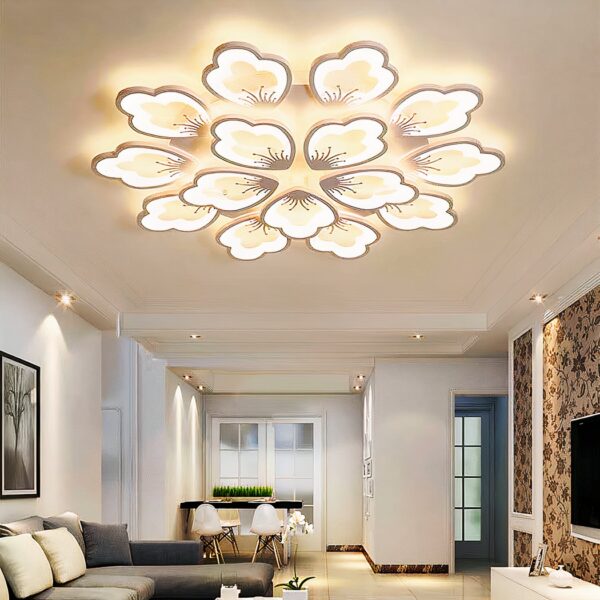
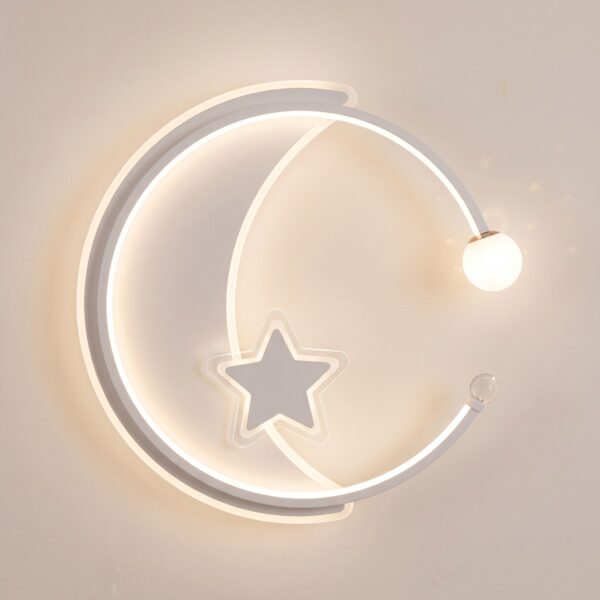
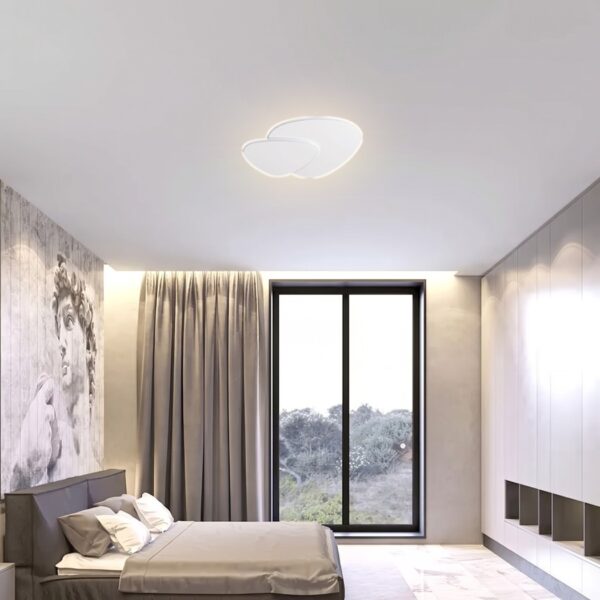
This selection brings together more than 70 models. Chandeliers make up nearly four in ten, wall lights a third and pendant lights about a quarter. Acrylic is often combined with metal (more than half of the models) or aluminium, sometimes with wood. White, gold and black are the main colours, and the style is mostly modern, sometimes minimalist or made for children’s rooms. Examples include the minimalist wavy linear LED pendant light, the acrylic hot air balloon chandelier and the hanging chandelier with three acrylic pandas.
Nearly half of the models have integrated LED and most come with their light source included; a few are dimmable. All ship from our warehouse in China, in about 8 working days on average. Which acrylic light for which room? A cloud or bird-shaped chandelier in a kids’ room or a nursery, a linear LED pendant light above a dining table or a kitchen island, and slim acrylic wall lights in a bedroom or a hallway.
See also: aluminium lighting, cotton lighting and hemp lighting.
Frequently asked questions about acrylic lighting
Is acrylic a good material for lighting?
Yes. Acrylic diffuses light evenly, weighs little and resists impacts better than glass, which makes it a practical choice for a kids’ room or a busy living area. In our selection it is often paired with integrated LED, which gives off little heat.
How do you clean an acrylic light fitting?
Use a soft, clean microfibre cloth, slightly damp if needed. Avoid alcohol, solvents and abrasive products, which can scratch or cloud the surface.
What is the difference between acrylic and glass lighting?
Acrylic is lighter and less fragile than glass, and it can be shaped into thin or curved forms. Glass is heavier and more resistant to scratches; both diffuse light well.

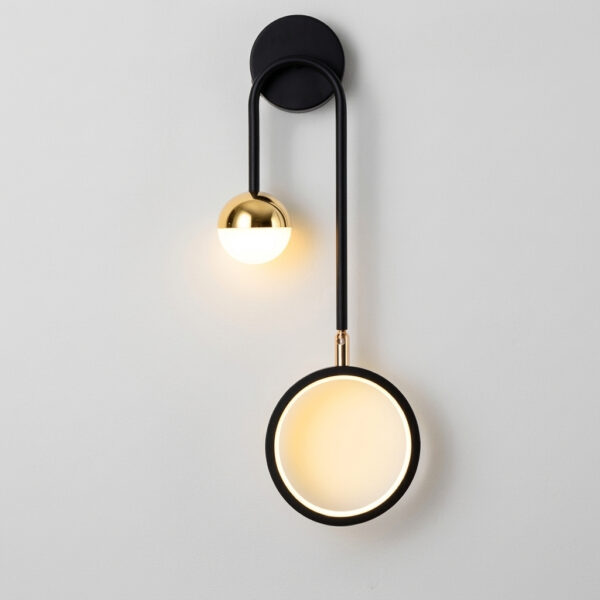 53,91€ instead ofAdd to cart - 59,90€ This product has multiple variants. The options may be chosen on the product page
 from 116,91€ instead ofAdd to cart - 129,90€ This product has multiple variants. The options may be chosen on the product page
 from 62,91€ instead ofAdd to cart - 69,90€ This product has multiple variants. The options may be chosen on the product page

 from 126,81€ instead ofAdd to cart - 140,90€ This product has multiple variants. The options may be chosen on the product page
 from 49,41€ instead ofAdd to cart - 54,90€ This product has multiple variants. The options may be chosen on the product page

 from 28,26€ instead ofAdd to cart - 31,40€ This product has multiple variants. The options may be chosen on the product page
 40 reviewsfrom 122,76€ instead ofAdd to cart - 136,40€ This product has multiple variants. The options may be chosen on the product page