The choice of a pendant light or a chandelier is not only about an aesthetic quest, but is based on a precise geometric harmony with your dining furniture.
Calculate the ideal diameter according to the table width
To determine the perfect dimension, base it on the width of your table in centimetres. We generally recommend selecting a light fixture whose diameter corresponds to half to two thirds of this measurement. This simple rule guarantees immediate visual balance.
It is imperative that the object never extends beyond the tabletop. Excessive width hinders natural circulation in the room. You will thus avoid any risk of unfortunate collision when leaving your seat.
This rigorous proportion durably structures your dining space. A well-calibrated pendant light allows the eye to navigate freely. The general harmony of your interior is instantly reinforced, without any feeling of visual clutter.
Adjust the drop height to avoid glare
Apply the eighty-centimetre rule for absolute comfort. This is the recommended distance between the bottom of the lampshade and the tabletop. This measurement ensures effective brightness while preserving the view.
The well-being of seated guests remains our priority. The light beam must in no way directly dazzle the eyes. Systematically test the adjustment with your chairs to enhance your long dinners with friends.
A successful installation encourages fluid and warm exchanges. The field of vision must remain perfectly clear between each guest. This eliminates any annoying physical barrier in the middle of your sharing moments.
Opt for robust and easy-to-dust materials
We advise you to choose metal or smooth glass. These technical surfaces retain much less volatile cooking fats. A quick wipe with a cloth is sufficient for maintaining your light fixture.
Anticipate now the constraints inherent to daily meals. Steam projections or residues are inevitable. Therefore, opt for a resistant finish that absolutely does not fear light and temporary humidity.
The durability of the steel structure guarantees total peace of mind. Your light fixture is handled during cleaning or when replacing LED bulbs. A solid fixing constitutes a long-term investment for your home for many years.
Vary the light sources for a convivial atmosphere
But the central pendant light is not everything; you need to think about layers of light to break the monotony.
Install a centrepiece to structure the space
Positioning the chandelier as a focal point is a formidable strategy. It should sit proudly above the table. This element immediately defines the function of the area. It is the visual heart of your dining room.
In a large open-plan living area, light creates an invisible boundary. This separates the lounge corner from the dining corner. This demarcation brings the necessary structure to your interior architecture.
The choice of design reflects your personality. It is an opportunity to make a strong and assertive style statement. A bold light fixture radically transforms the look of your reception room.
Multiply lateral light points to soften the atmosphere
Using wall lights to complete your setup is wise. They diffuse a soft light on the walls. This avoids the single ‘spotlight’ effect in the centre of the room.
A uniformly lit room appears more spacious. Eliminating shadow zones in the corners is an effective trick. Visual comfort is significantly improved during evenings.
Light that washes the walls highlights textures. This brings welcome depth to your interior decoration. The atmosphere immediately becomes more intimate. This visual relief enriches the experience of your guests.
Choose warm spectrum LED bulbs
Recommending a temperature below three thousand Kelvins is a guarantee of comfort. This orangish-yellow hue imitates candlelight. It is ideal for creating a relaxing cocoon.
Light that is too white reminds one of offices or hospitals. For dining, prefer a dimmed and welcoming atmosphere. Your guests will immediately feel more at ease. Relaxation becomes natural around the table.
Checking compatibility with a dimmer is an indispensable step. Being able to lower the intensity is a real luxury. You adapt the brightness according to the time of day.
Adapt the design to the style of your furniture
So, once the lighting atmosphere is set, it is about combining materials for a coherent result.
Pair black metal with solid wood tables
Reinforce the industrial feel of the room. Black metal brings masculine rigour. It perfectly highlights the natural veins of raw wood.
Play on contrasts of materials. The warmth of oak or walnut contrasts with the coldness of iron. This blend creates a very modern visual balance. It is a safe bet in decoration.
Prefer simple geometric shapes. A rectangular or circular frame is quite sufficient. The sobriety of the design enhances the quality of the furniture.
Combine brass with classic style interiors
Add a touch of elegance with gold. Brushed brass brings light even when switched off. It is the chic material par excellence.
Coordinate the details with the rest of the furniture. Think about the handles of your sideboards or dressers. The unity of metals creates a soothing visual harmony.
Enhance the charm of the old. Brass marries divinely with ceiling mouldings. It emphasises the authenticity of a herringbone parquet floor. It is a timeless and refined choice.
Use rattan for a natural decoration
Diffuse light through the fibres. The weaving projects delicate shadows on the walls. This creates an organic and lively atmosphere. Rattan instantly warms the ambiance.
Visually lighten the volume above the table. Natural materials seem less heavy than metal. It is ideal for small spaces.
Adopt a bohemian and relaxed style. You immediately feel on holiday. It is perfect for a bright and serene dining room.
The must-have types of light fixtures for your dining room
However, beyond styles, certain iconic models impose themselves as true references for your interior.
Scandinavian pendant lights with clean lines
Nordic design favours a minimalist approach where every curve serves a precise intention. Function rigorously dictates the form of the object. We seek here pure luminous efficacy, without any useless artifice.
The combination of white and light wood, such as teak, is preferred. These light shades magnificently capture natural light during the day. They thus ensure a welcome clarity in your living space.
These models in rattan or natural fibres demonstrate exemplary versatility. They adapt easily to the majority of modern tables. Their simplicity constitutes their greatest decorative strength to avoid any mistake.
Spider chandeliers for a graphic effect
The visual impact of articulated arms radically transforms your ceiling into a dynamic work of art. This light fixture occupies the space with rare structural elegance. You can orient each light source according to your precise needs. It is a true suspended sculpture.
To perfect this style, we suggest installing exposed filament bulbs. They add a particularly trendy retro note to your decoration. The amber glass pairs perfectly with the black metal structure of the object.
This model is ideal for accompanying very large reception tables. Its adjustable width ensures homogeneous lighting for every guest. It is the optimal solution to enhance your most generous family tables.
Wall lights with industrial design
Brushed metal stands out as a material of character for your walls. This aged finish brings a unique and sophisticated texture to your walls. It immediately evokes the raw aesthetics of old New York factories.
These light fixtures prove remarkably practical for restricted spaces. The wall light totally frees up floor space while structuring the volume. It offers targeted lighting, ideal for highlighting a sideboard or a china cabinet.
The robustness of steel and cast iron guarantees exceptional longevity for your installation. These noble materials ensure exemplary solidity over the years. These pieces pass through the ages without ever losing their splendour.
Our dining room lights in detail
Our dining room lighting brings together more than 800 models. Pendant lights make up a little under half, chandeliers close to a third, wall lights about a sixth and ceiling lights the rest. Metal is the main material (over half of the models), followed by glass, aluminium, wood and fabric. Black, white and gold lead the colours, in mostly modern and minimalist styles. Examples: the opal glass globe pendant light in chrome, the 45 cm drum pendant light in white or black and the square LED frame chandelier.
For dining room LED lighting, about one model in six has integrated LEDs, such as the LED ring ceiling lights and the LED batten pendants, up to 200 cm long; E27 remains the most common bulb fitting. More than a third of the selection is shipped from our warehouse in Poland, the rest mainly from China. Which light where? A pendant light or chandelier centred above the table, and dining room wall lights on either side of a sideboard for a cosy, restaurant-style atmosphere.
See also: dining room ceiling lights, dining room chandeliers and dining room pendant lights.
Frequently asked questions about dining room lighting
How high should a light hang above a dining table?
Leave about 80 cm, and as a rule 70 to 90 cm, between the bottom of the pendant light or chandelier and the tabletop. Guests can then see each other without the bulb dazzling them.
What size light for a dining table?
Choose a light whose diameter is about half to two thirds of the table’s width, and keep it inside the edges of the tabletop. For a long table, hang two or three pendant lights in a row or a linear LED batten pendant light.
Which ceiling light suits a modern dining room?
A slim LED ring ceiling light or a geometric LED frame chandelier gives even light without low-hanging parts. Choose warm white (2700 to 3000 K) and check on the product page whether the model is dimmable.

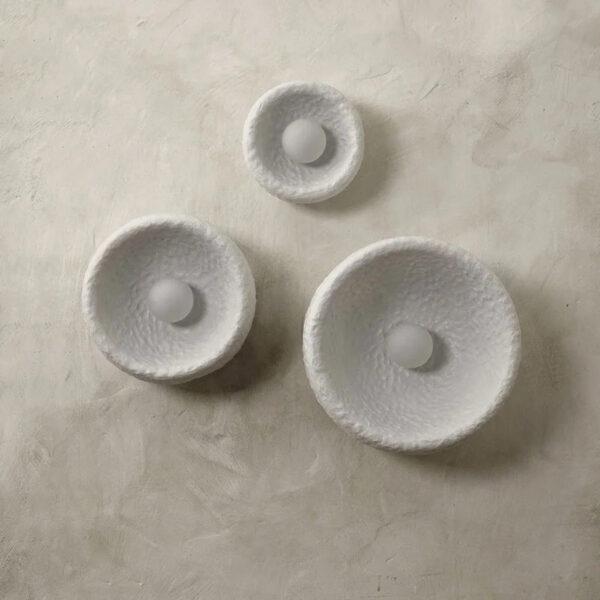 from 200,61€ instead ofAdd to cart - 222,90€ This product has multiple variants. The options may be chosen on the product page
 123,21€ instead ofAdd to cart - 136,90€ This product has multiple variants. The options may be chosen on the product page


 from 134,91€ instead ofAdd to cart - 149,90€ This product has multiple variants. The options may be chosen on the product page
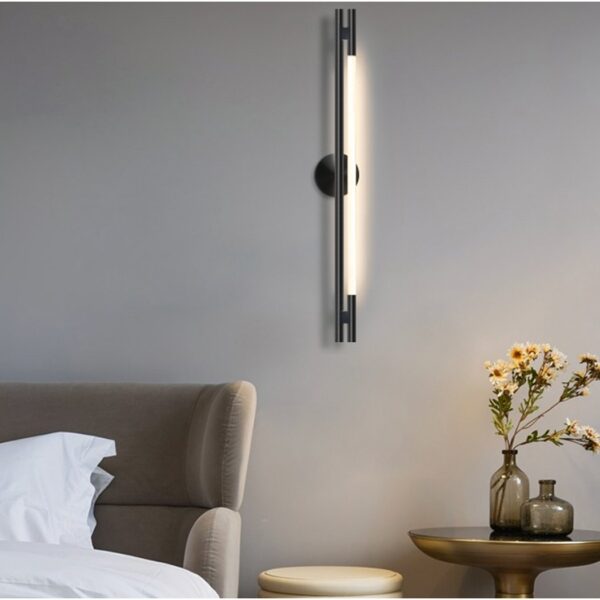 from 179,01€ instead ofAdd to cart - 198,90€ This product has multiple variants. The options may be chosen on the product page


