After falling for the design, you need to ensure the object technically integrates into your space.
Room Volume and Span
Measure the floor area of your room precisely. A diameter that is too wide suffocates the circulating space. Conversely, a small model looks lost in a large living room. Find the middle ground for visual balance.
Check the height under your ceiling. The light should never hinder the passage of people. Keep a sufficient safety margin for comfort.
Observe the shape of your current furniture. The silhouette of the shade should respond to the lines of the furniture. This creates a coherent and pleasant visual unity.
Type of Light Diffusion
Define the main use of your future lighting. Do you want direct task light? Or do you prefer a soft atmosphere for your evenings?
The curvature of the rim changes the entire flow. A steep slope concentrates the rays downwards. A flared shape disperses the light more widely. Choose according to the desired effect on your walls.
Open models guarantee even brightness everywhere. They avoid overly marked shadow zones on the ceiling. It’s ideal for effective general lighting.
Compatibility with LED Sources
Examine the type of socket on the mount. Low-consumption LED bulbs are now the norm. They heat little and last a very long time.
Adapt the light output to the material of the shade. Some fabrics fear the excessive heat of old bulbs. The LED solves this safety problem.
Think about installing a wall dimmer. Check that your LED bulb is compatible with this system. You can thus modulate the atmosphere according to your desires. It’s a real daily comfort.
The 3 Size Criteria for a Successful Arrangement
Once the model is chosen, its positioning in the space determines the success of your interior décor.
Calculate the space between the bottom of the light and your table. A distance of 80 centimetres is often recommended. This avoids dazzling your seated guests.
Adjust the length of the cable carefully. The horizontal field of vision must remain perfectly clear. People should be able to talk to each other without visual obstacles. It is essential for conviviality during meals.
Respect comfort standards in corridors. The bottom of the shade must remain high enough. No one should risk hitting it while walking.
Diameter and Visual Bulk
Dare the large format in vast open-plan rooms. An imposing chandelier structures the space elegantly. It then becomes the central point of the living room.
Choose narrow models for your small hallways. A light that is too wide would hinder the opening of doors. The fluidity of passage is your absolute priority.
Balance the width of the object with that of your table. The light should be smaller than the furniture’s tabletop. This creates a very stable visual pyramid. The whole thing then appears much more harmonious.
Respecting Architectural Proportions
Align the style of the pendant with the architecture. Identify the guiding lines of your walls and ceilings. The light should accentuate these existing volumes.
Play on size contrasts to energise the place. A very sober ceiling supports a voluminous piece well. This breaks the monotony of a too rectilinear room. It’s an effective decorator’s trick.
Ensure the overall harmony between the object and the volumes. Nothing should seem disproportionate or poorly placed. Balance remains the key to a successful interior.
The Impact of Materials on the Room’s Ambience
Beyond dimensions, the material of the light defines the thermal and acoustic feel of your home.
Textiles and Natural Fibres for Softness
Benefit from the natural acoustic properties of textile fibres. They absorb sounds and reduce ambient echo. It’s perfect for large, somewhat empty rooms.
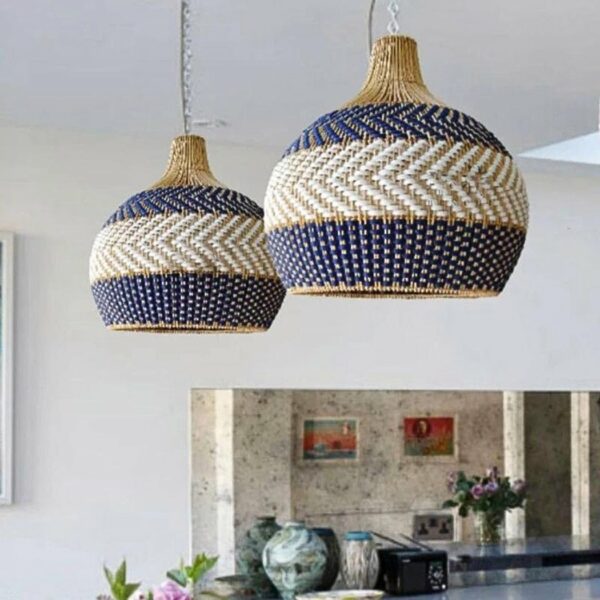
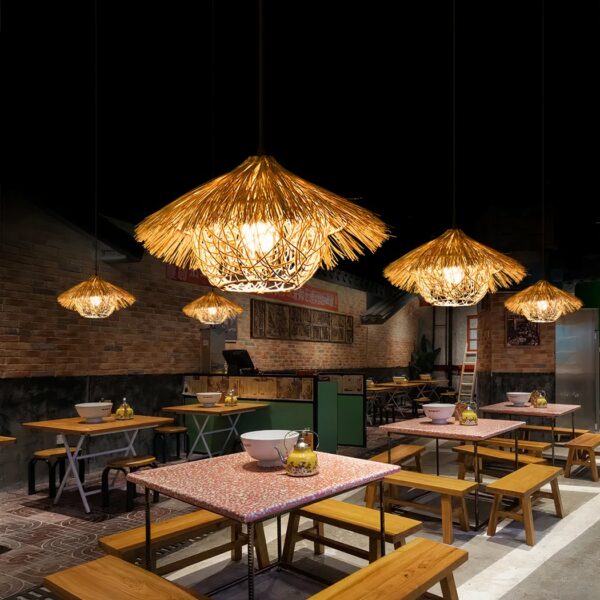
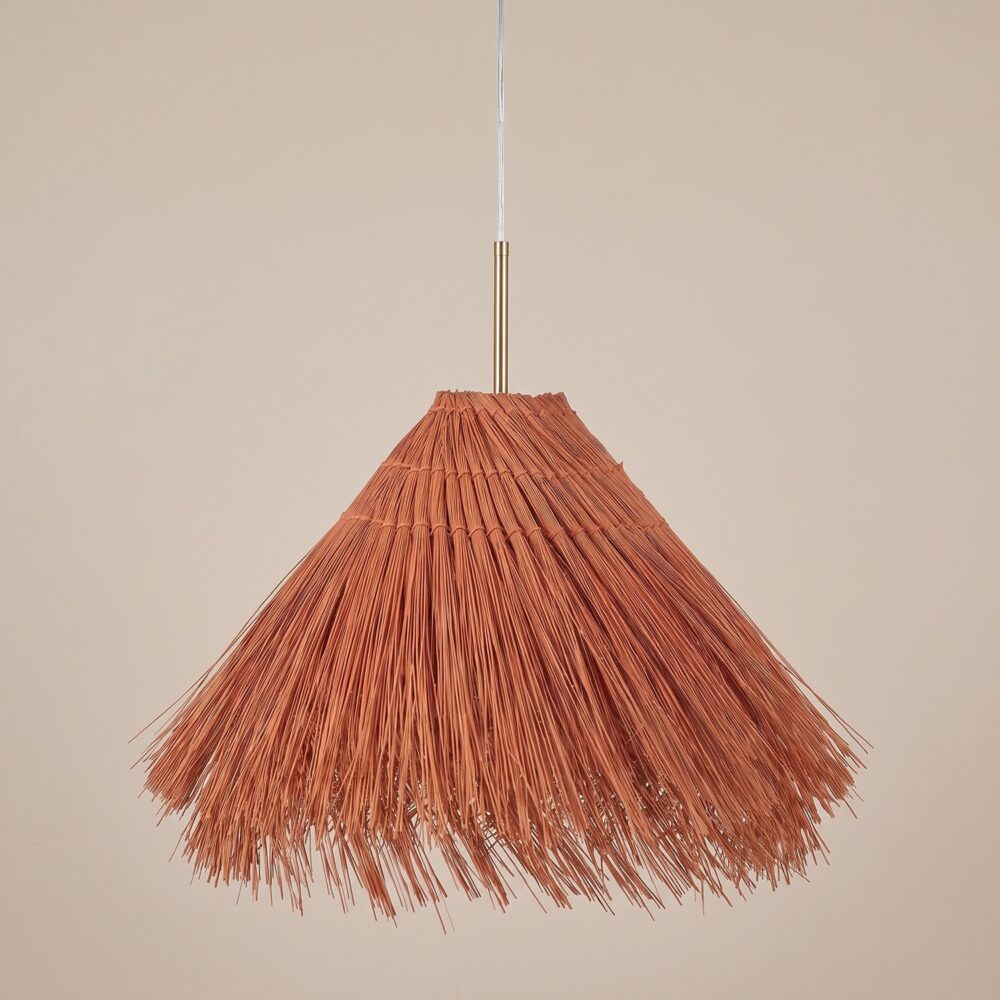
Bring a real feeling of warmth to your living room. The touch of fabric, straw or rattan is reassuring and very cosy. You immediately feel better in a soft atmosphere. It’s an ideal choice for winter.
Prefer sober shades like grey or beige. These colours allow discreet integration into any décor. They transcend trends without ever tiring.
Metal and Finishes for Character
Use metallic reflections to boost your lighting. The inside of a metal dome vigorously reflects light. This increases the efficiency of your bulb.
Opt for matt or brushed finishes. They offer a very trendy industrial look currently. Black metal brings a touch of elegant rigour. It’s a material with a lot of character.
Bet on sturdiness and ease of maintenance. A wipe with a cloth is enough to remove dust. Metal remains impeccable for many years.
Lighting Solutions Adapted to Every Buyer Profile
Your personality is finally expressed through the final style you infuse into your living space.
Minimalist Styles for Clean Interiors
Turn to models with simple geometric lines. Sobriety is the mark of refined and modern taste. Less is more.
Prefer neutral colours for a truly timeless aesthetic. White or black adapt to all future evolutions. You won’t change your light every season. It’s a long-term investment.
Value the utilitarian function of the object above all. Avoid unnecessary decorative overload that tires the eye. The purity of the design is enough in itself.
Statement Pieces for Bold Décor
Choose XXL formats to create a visual shock. A giant pendant immediately becomes the heart of your home. It attracts all eyes upon entry.
Dare atypical designs that assert your own personality. Don’t blindly follow every current trend. An original object tells a unique story about you. That’s what makes it charming.
Consider your light as a true work of art. It doesn’t just light up your evenings. It decorates the space even when off.
Our Hat Lamps in Detail
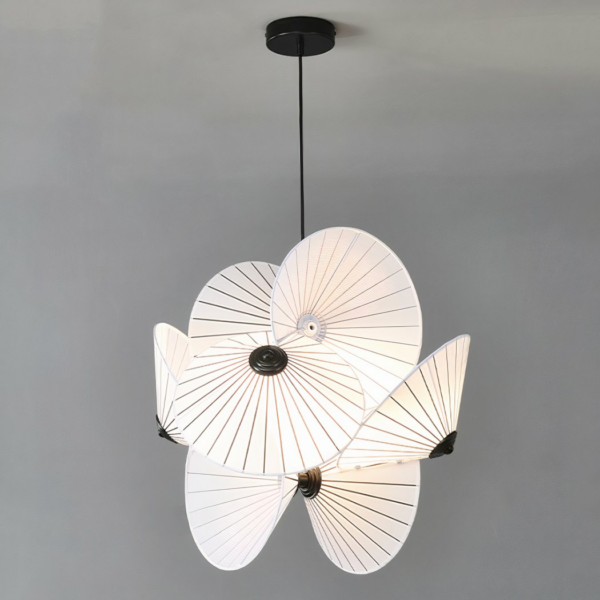
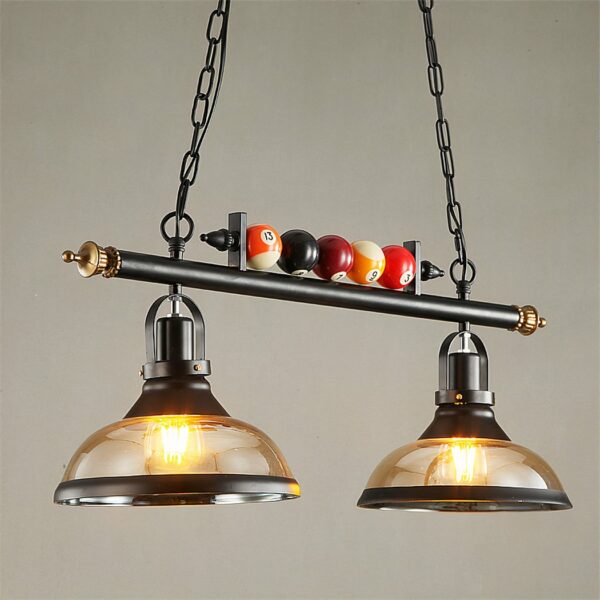
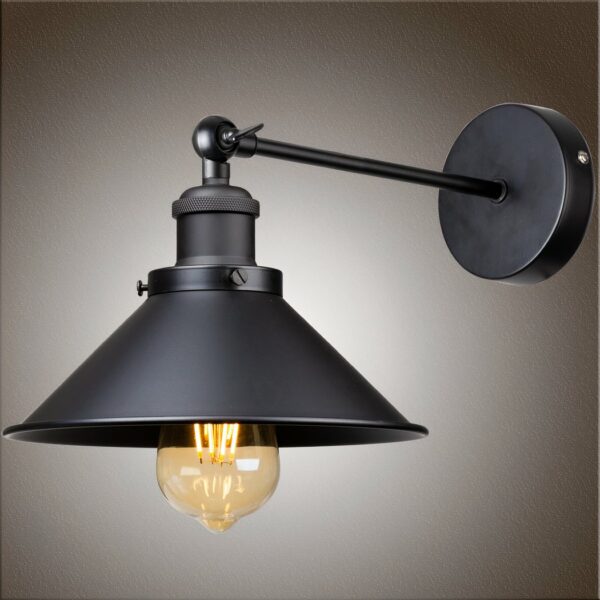
This selection of more than 100 models is led by pendant lights (about half), followed by chandeliers (almost three in ten) and wall lights (almost a fifth). Metal is used in about half of the models, then wood, straw, rattan, bamboo, fabric and rope. Black, white and beige dominate, with gold and grey touches. Examples include the 14 cm metal cone pendant light, the bell-shaped wood slat pendant light, the industrial 3-cone pendant light in black or white steel and the retro rattan chandelier.
Styles are mainly modern, vintage and minimalist, with bohemian, industrial and Scandinavian touches. E27 is by far the most common bulb fitting, and some models have integrated LED, such as the white retro resin hat-shaped LED pendant chandelier. About three quarters ship from our warehouse in China and most of the others from our warehouse in Poland. Which hat lamp for which room? A metal cone suits a kitchen island, a straw or rattan hat a living room or a bedroom, and a large chandelier a dining room.
Frequently Asked Questions about Hat Lamps
What Is a Hat Lamp?
A hat lamp is a light whose shade is shaped like a hat: a cone, a bell or a wide dome. In metal, it gives an industrial or modern look; in straw, rattan or bamboo, a more bohemian one.
How High Should a Hat Pendant Light Hang above a Table?
Leave about 60 to 80 cm between the bottom of the shade and the table, so that the light falls on the table without dazzling seated guests. In a passage area, keep the bottom of the shade high enough for everyone to walk underneath.
Which Bulb Suits a Hat Lamp?
Most of our hat lamps take an E27 bulb. Choose an LED bulb, which heats very little and protects natural fibres, in warm white (2700 to 3000 K) for a cosy atmosphere.