After falling for this deep shade, you now need to ensure the object integrates technically and aesthetically into your home.
Defining the architectural style of the room
Selecting your teal light fitting requires an analysis of your current furniture. Style, volume, and use dictate coherence. The objective is to harmonise this shade without creating an unpleasant visual break.
This magnetic colour irresistibly draws the eye in your space. It enhances both a vintage-tinged living room and a modern office. Its presence brings immediate depth and a strong character to your decoration.
Are you looking to reinforce a retro look or break the codes? Identifying this aesthetic intention is paramount. Your light fitting then becomes either a piece of continuity or a contemporary element of rupture.
Evaluating dimensions for perfect balance
Calculate the ideal diameter by adding the length and width of the room. Multiply by eight to ten to get the value in centimetres. A chandelier that is too small seems lost, while an imposing model saturates the space.
Adjust the height of your pendant to clear the field of vision. Above a table, maintain a distance of 75 to 90 cm. An adjustable cable offers the necessary flexibility to adapt to your daily life.
Volume directly influences the structure of your ceiling. A wide teal pendant defines a precise shadow zone. This architectural choice organises volumes and defines the atmosphere of your living space.
Checking compatibility with LED bulbs
Opt for standard bases like E27 or G9, or for integrated LED. This feature simplifies your future bulb replacements. LED solutions are now the norm for combining luminous performance and lasting energy savings.
Choose a warm colour temperature, ideally around 2700K. This light warmth warms the yellow pigments of teal. You will thus avoid a washed-out look and preserve the brilliance of your interior decoration.
Scrupulously check the Colour Rendering Index (CRI) of your source. A high CRI guarantees respect for the exact chosen shade. You will then enjoy all the chromatic richness of your trendy light fitting.
Selecting materials that enhance this shade
Beyond the form, it’s the material that will bring the colour to life under the effect of the bulb. Our current teal models are made of metal, glass, aluminium or ceramic, but textile is worth knowing for the shades and fabrics around them.
The tactile elegance of velvet and textile
The light flow subtly interacts with textile fibres. The fabric absorbs part of the radiation. This immediately creates a cosy atmosphere. Your teal then gains softness and mystery.
Velvet remains an exceptional choice. This noble material intensifies the chromatic depth. Reflections change according to your viewing angle. It’s an ideal option for a prestigious living room.
These textures also offer acoustic benefits. The fabric lampshade contributes to sound comfort. It dampens the resonance of large rooms. This technical advantage optimises your daily well-being.
Maintenance remains simple and quick. Light brushing is enough for its durability. Textiles withstand the ages without faltering. They represent a safe bet for your decoration.
The final rendering proves extremely warm. Textile transforms light into a halo. It’s perfect for a dimmed atmosphere.
The modernity of metal and tinted glass
Lacquered finishes bring industrial sharpness. Shiny metal reflects surrounding light sources. This dynamic aesthetic suits kitchens. It also energises your entrances effectively.
Tinted glass enhances transparency. The light diffusion then becomes very light. The radiation passes directly through the blue pigment. Coloured shadows are projected onto your walls.
These hard materials guarantee maximum robustness. Metal is durable and easy to maintain. It’s a pragmatic choice for your passage areas. The design remains minimalist and very current.
The contrast of textures creates relief. Combining glass with metal structures the object. Teal unites these components harmoniously. You thus obtain a very modern decorative light fitting.
The impact on luminosity is total. Metal directs the flow downwards. Glass illuminates your entire room.
Adapting lighting to the specifics of each room
Once the material is chosen, it’s about placing your light fitting where it will be most useful.
Creating a focal point in the living area
Position a majestic pendant in the centre. It should hang above the coffee table. This light fitting draws the eye upon entry. Teal thus becomes the visual anchor of your living room.
This shade structures the living space. Colour helps delineate zones. Between the dining area and the sofa, the light fitting marks a boundary. It’s a true tool of interior architecture.
Bet on subtle chromatic reminders. You can match the pendant to cushions. Teal thus circulates throughout the room. The whole gains harmony and professionalism.
Master the management of intensity. Use a dimmer if possible. You go from bright light for reading to a soft ambiance. Blue adapts to every moment of your evening.
A large room handles dark tones well. Teal expresses all its aesthetic richness there.
Bringing nocturnal softness to the bedroom
Opt for the installation of elegant wall lights. It’s a trick to free up bedside tables. Teal adds a touch of serenity. The space immediately seems more ordered and better thought out.
Favour soft light flows. The bedroom calls for rest. An opaque teal lampshade is perfect. It avoids direct glare before falling asleep peacefully in a cocoon.
Consider the psychology of this shade. This colour promotes deep relaxation. It evokes night and calm. It’s the ideal choice for an environment dedicated to restful sleep.
Adjust the orientation of the light beam. Prefer indirect lighting towards the wall. This highlights the texture of your paint. Teal gains relief through this play of shadows.
Wall lights are discreet but effective. They transform your night-time corner into a true haven of peace.
Harmonising decoration around this intense colour
Finally, the trick lies in the combinations of colours and materials to enhance your light fitting.
The prestigious alliance with brass and gold
Teal, by nature, is a cool tone. The addition of brass infuses immediate warmth into your room. This classic duo embodies authentic luxury. It establishes unparalleled refinement in your decoration.
A simple gold trim on the lampshade transforms the object. This instantly energises the depth of the blue. Light then bounces off the metal. The resulting shimmering effect is discreet but powerful.
These noble materials evoke the famous roaring twenties. They fit perfectly into an Art Deco style. It’s a bold aesthetic choice. Your light fitting becomes a true collector’s piece.
However, ensure the balance of metallic proportions. Don’t overload your space with gold elements. A few hints on furniture legs are enough. Teal must remain the main star.
The final rendering is systematically high-end. The combination of blue and gold never disappoints. It brings incredible cachet to your interior.
Natural sobriety with wood and linen
Opt for the association with light wood species. Oak or ash soothe the chromatic intensity. This blend is directly inspired by Scandinavian design. The atmosphere then becomes perfectly balanced.
The use of neutral organic materials changes the game. Linen brings essential raw texture. It breaks the sometimes strict side of blue. The whole gains accessibility and warmth.
White and beige serve as a base. Your teal light fitting brings the note of character. It’s an effective method for not saturating the space. The surrounding brightness highlights the richness of the colour.
These materials breathe absolute tranquillity. Blue then evokes natural elements like water. The atmosphere becomes serene and conducive to rest. It’s ideal for a calming interior.
Wood visually warms the structure of the light fitting. It’s a lasting and timeless marriage. You won’t tire of this harmony.
Our teal lighting in detail
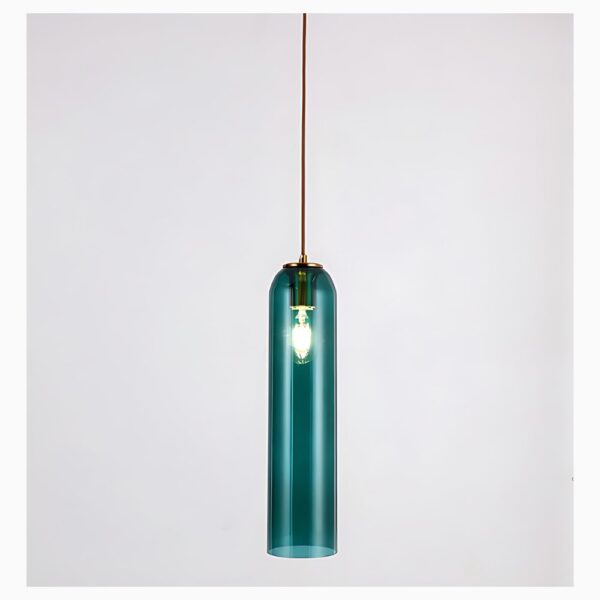
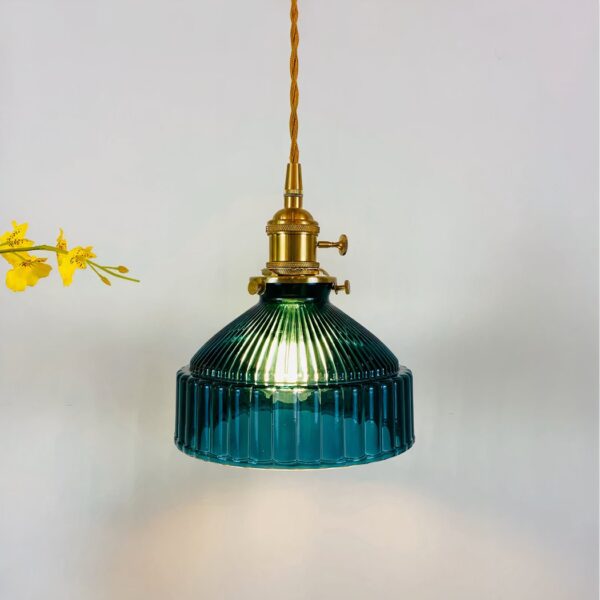
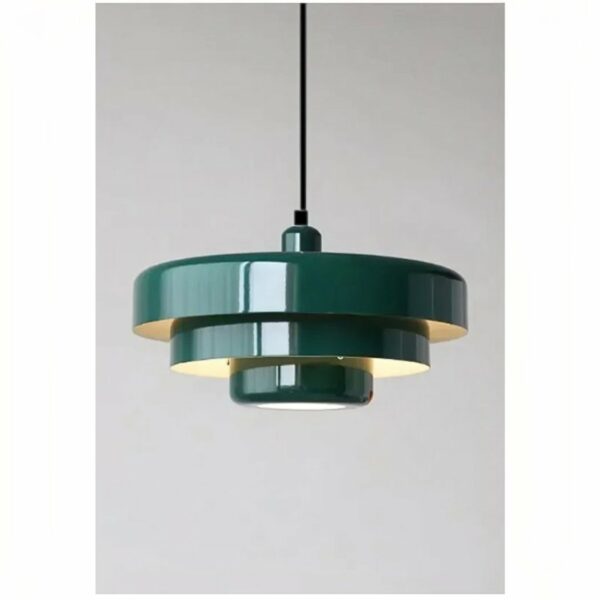
Our teal lighting is almost entirely made up of pendant lights (nearly nine in ten), completed by a wall light. Metal is used on nearly two thirds of the models, glass on half and aluminium on a quarter. The style is mostly modern, with vintage, Scandinavian and minimalist pieces, and teal is often paired with gold, orange or green. Examples: the vintage pendant light with a teal glass shade, the round flat teal LED pendant light and the teal blue glass tube wall light with a gold fixing.
Half of these models have integrated LED, so there is no bulb to change; the others take E27 or G9 bulbs, and the product page states whether a bulb is included. Most ship from our warehouse in China and about one in eight from our warehouse in Poland, in about 8 working days on average. Which teal light for which room? A pendant above the dining table or the kitchen island, a larger one in the living room, and the wall light in a bedroom or a hallway.
See also: teal chandeliers and teal wall lights.
Frequently asked questions about teal lighting
Which colours go with teal lighting?
Gold and brass warm up teal, and more than a third of our teal models already combine it with gold. Light wood, linen, white and beige keep the result calm and balanced.
Are bulbs included with teal light fittings?
Half of our teal models have integrated LED, so no bulb is needed. For the others, the product page shows the fitting (E27 or G9) and whether a bulb is supplied; choose warm white, around 2700 K.
Which rooms suit a teal pendant light?
Our teal pendant lights suit the dining room, the living room, the kitchen and the bedroom. Above a table, hang it 75 to 90 cm above the top.


 from 170,91€ instead ofAdd to cart - 189,90€ This product has multiple variants. The options may be chosen on the product page